

The objective of the Cyber Security program is to prepare students for successful professional careers and advanced graduate studies by developing strong technical knowledge, problem-solving abilities, teamwork, ethical values, and lifelong learning skills.
Provide a strong foundation in theoretical and practical Cyber Security to help students understand core concepts and adapt to rapidly evolving technologies.
Equip students with a wide range of computing skills, tools, and mathematical techniques to analyze, design, and implement complex systems.
Develop problem-solving abilities using computational thinking, logical reasoning, and systematic approaches to real-world challenges.
Encourage effective and professional collaboration within multidisciplinary and diverse project teams.
Enhance communication skills to present technical information clearly and effectively in written and oral forms.
Cultivate ethical awareness, social responsibility, and professional conduct in addressing societal impacts of computing.
Promote continuous learning, innovation, and adaptability so graduates can thrive in an ever-changing technological world.
Design, develop, and evaluate software and computational solutions that address real-world problems across diverse domains using sound CS foundations.
Work effectively in teams and with stakeholders by demonstrating communication, professionalism, ethical conduct, and social responsibility in computing practice.
Pursue continuous learning through certifications, advanced studies, research, or entrepreneurship to adapt to emerging technologies and evolving industry needs.
| Course Title | Theory | Lab | Credit Hours |
|---|---|---|---|
| Quantitative Reasoning-I | 3 | 0 | 3 |
| Functional English | 3 | 0 | 3 |
| Applications of Information and Communication Technologies | 2 | 1 | 3 |
| Social Science | 2 | 0 | 2 |
| Programming Fundamentals | 3 | 1 | 4 |
| Calculus & Analytical Geometry – IDS I | 3 | 0 | 3 |
| Total | 16 | 2 | 18 |
| Course Title | Theory | Lab | Credit Hours |
|---|---|---|---|
| Quantitative Reasoning-II | 3 | 0 | 3 |
| Arts and Humanities | 2 | 0 | 2 |
| Pakistan Studies | 2 | 0 | 2 |
| Fehm-e-Quran – I | 0 | 1 | 1 |
| Object Oriented Programming | 3 | 1 | 4 |
| Digital Logic Design | 3 | 1 | 4 |
| Linear Algebra IDS-II | 3 | 0 | 3 |
| Total | 16 | 3 | 19 |
| Course Title | Theory | Lab | Credit Hours |
|---|---|---|---|
| Expository Writing | 3 | 0 | 3 |
| Natural Science | 2 | 1 | 3 |
| Fehm-e-Quran – II | 0 | 1 | 1 |
| Data Structures | 3 | 1 | 4 |
| Database Systems | 3 | 1 | 4 |
| Operating Systems | 3 | 1 | 4 |
| Total | 14 | 5 | 19 |
| Course Title | Theory | Lab | Credit Hours |
|---|---|---|---|
| Civics and Community Engagement | 2 | 0 | 2 |
| Ideology and Constitution of Pakistan | 2 | 0 | 2 |
| Entrepreneurship | 2 | 0 | 2 |
| Islamic Studies / Ethics | 2 | 0 | 2 |
| Software Engineering | 3 | 0 | 3 |
| Computer Organization & Architecture | 2 | 1 | 3 |
| Design & Analysis of Algorithms | 3 | 0 | 3 |
| Total | 16 | 1 | 17 |
| Course Title | Theory | Lab | Credit Hours |
|---|---|---|---|
| Computer Networks | 3 | 0 | 3 |
| Information Security | 3 | 0 | 3 |
| Artificial Intelligence | 3 | 0 | 3 |
| Theory of Automata | 3 | 0 | 3 |
| IDS - III | 3 | 0 | 3 |
| IDS - IV | 3 | 0 | 3 |
| Total | 18 | 0 | 18 |
| Course Title | Theory | Lab | Credit Hours |
|---|---|---|---|
| Cloud Computing | 3 | 0 | 3 |
| Elective-I | 3 | 0 | 3 |
| Elective-II | 3 | 0 | 3 |
| Elective-III | 3 | 0 | 3 |
| Elective-IV | 3 | 0 | 3 |
| Total | 15 | 0 | 15 |
| Course Title | Theory | Lab | Credit Hours |
|---|---|---|---|
| Elective-V | 3 | 0 | 3 |
| Elective-VI | 3 | 0 | 3 |
| Elective-VII | 3 | 0 | 3 |
| Elective-VIII | 3 | 0 | 3 |
| Professional Certification | 3 | 0 | 3 |
| Total | 15 | 0 | 15 |
| Course Title | Theory | Lab | Credit Hours |
|---|---|---|---|
| Final Year Project | 0 | 0 | 6 |
| Field Experience | 3 | 0 | 3 |
| Total | 3 | 0 | 9 |
| Course Title | Theory | Lab | Credit Hours |
|---|---|---|---|
| Information Assurance | 3 | 0 | 3 |
| Network Security | 2 | 1 | 3 |
| Secure Software Design and Development | 2 | 1 | 3 |
| Digital Forensics and Incident Response | 2 | 1 | 3 |
| Applied Cryptography | 2 | 1 | 3 |
| Vulnerability Assessment and Penetration Testing | 2 | 1 | 3 |
| Ethics in Cyber Security | 2 | 1 | 3 |
| Cloud Security | 2 | 1 | 3 |
| Embedded Systems Security | 2 | 1 | 3 |
| Cyber Threat Intelligence | 2 | 1 | 3 |
| Artificial Intelligence for Cyber Security | 2 | 1 | 3 |
| IoT Security | 2 | 1 | 3 |
| Open-Source Intelligence Techniques | 2 | 1 | 3 |
| Usable Security and Privacy | 2 | 1 | 3 |
| Malware Analysis and Reverse Engineering | 2 | 1 | 3 |
| Security Orchestration, Automation, and Response | 2 | 1 | 3 |
| Cyber Security Policy and Governance | 3 | 0 | 3 |
| Security Analytics and DevSecOps | 2 | 1 | 3 |
| Quantum Security | 2 | 1 | 3 |
| Blockchain and Web 3 Security | 2 | 1 | 3 |
| Wireless and Mobile Security | 2 | 1 | 3 |
| Total | 44 | 19 | 63 |
At least, 50% marks are required in the intermediate examination or equivalent (must have Mathematics as elective subject or Pre-Medical as discipline)* as per the requirement of their respective council.
All such students must pass deficiency courses of Mathematics of 6 credit hours within First year of their regular studies.
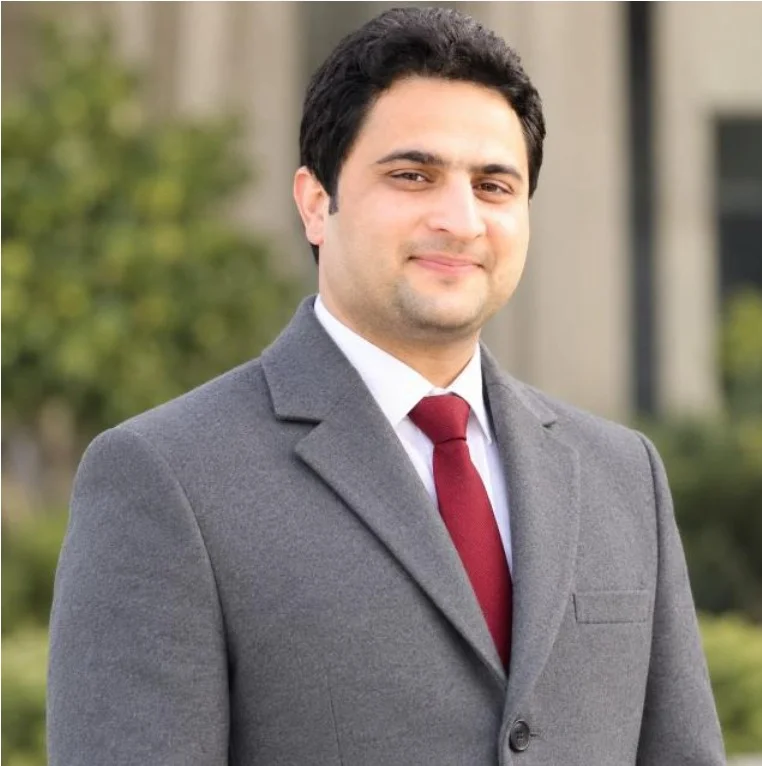
Dr. Muhammad Hamid holds a Ph.D. in Computer Science specializing in Artificial Intelligence, with over 16 years of professional experience, including 7+ years post-Ph.D. He serves as Chairperson, Department of Computer Science, University of Kamalia, Pakistan. He has published 50+ peer-reviewed articles with a cumulative impact factor exceeding 150 and supervised 20+ M.S. and Ph.D. students. His research interests include Artificial Intelligence, Cybersecurity, Software Engineering, and emerging computing technologies.
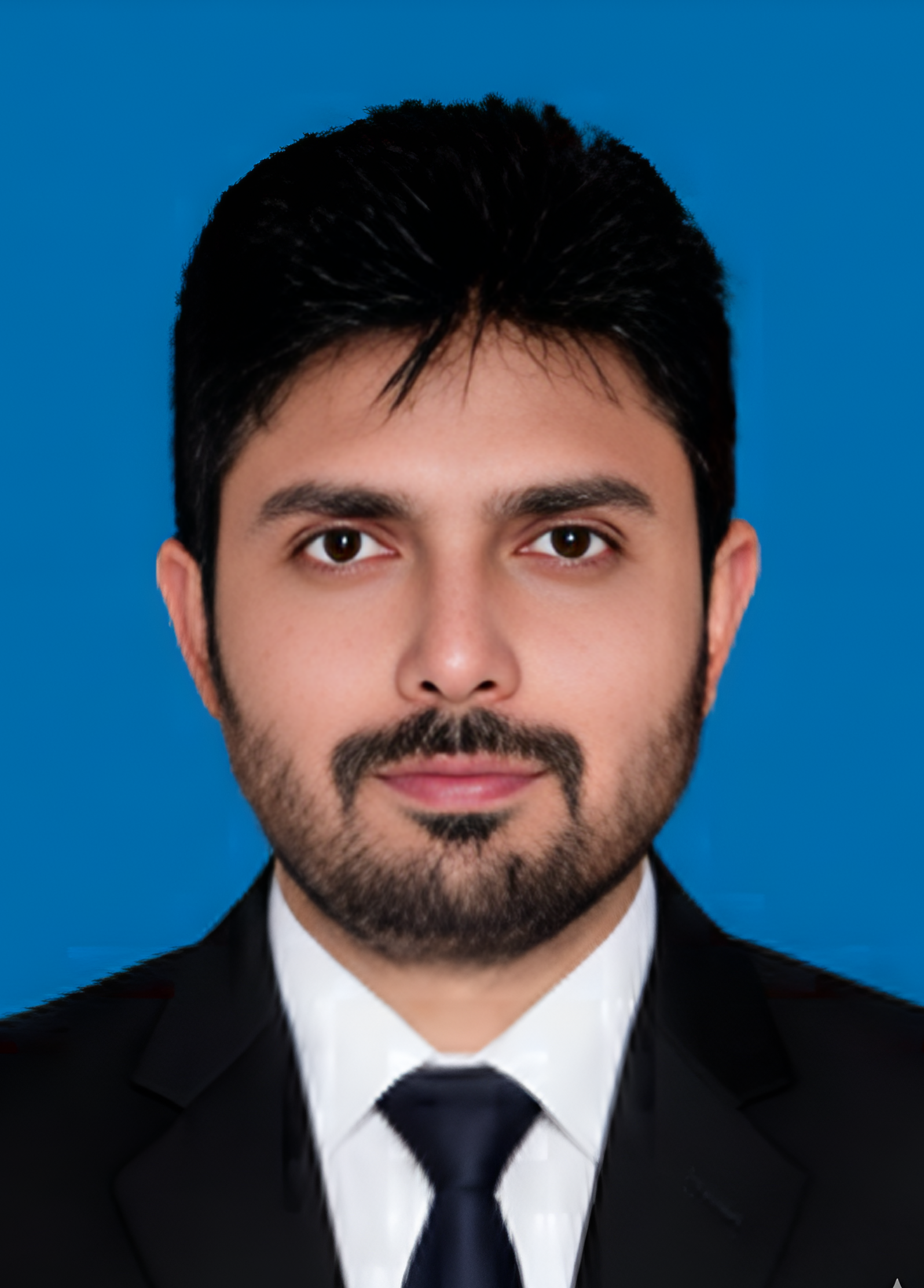
Dr. Mahmood Ashraf is an Assistant Professor in the Department of Computer Science & Information Technology at the University of Kamalia, Punjab, Pakistan. He earned his PhD in Information and Communication Engineering from Chongqing University, China. He has published 15+ research papers in reputable international journals. His research interests include Artificial Intelligence, Deep Learning, Computer Vision, Hyperspectral Image Analysis, Medical Image Analysis, and Cyber Security. He also serves as a reviewer for several leading international journals, including IEEE Transactions on Geoscience and Remote Sensing (IEEE TGRS), IEEE Journal of Selected Topics in Applied Earth Observations and Remote Sensing (IEEE JSTARS), as well as journals published by Elsevier, Springer Nature, MDPI, and other international publishers.

Arslan Akram completed PhD and MS in computer science from The Superior University Lahore, Pakistan. He has six-plus years of experience in research, design, and software development in machine learning and computer vision. His research interests include image classification, deep learning, digital image processing, deep learning, and evolutionary computing ensemble. He has published multiple research articles in high-impact journals, including Computer vision and its applications and digital image processing. He has been serving as a peer reviewer for multiple high-impact international journals.
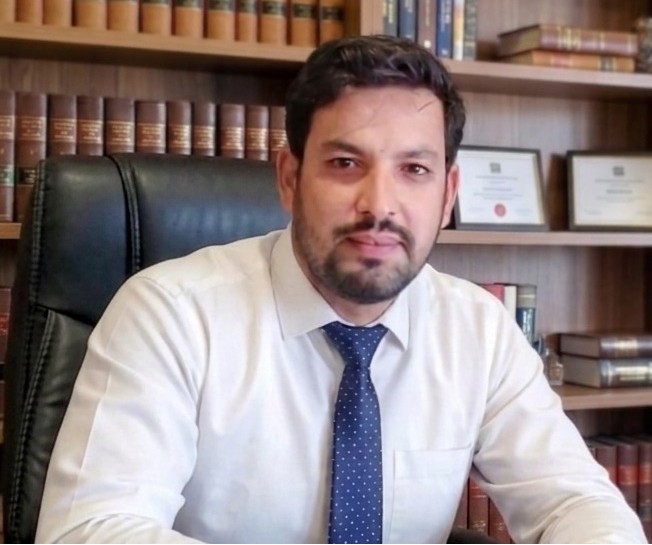
Muhammad Imran is an AI professional with expertise in Machine Learning (ML), Deep Learning (DL), and Big Data Analytics. He combines strong technical knowledge with valuable administrative and management experience gained through his work in higher education institutions. His interests include developing intelligent systems, analyzing large-scale data, and applying emerging technologies to solve real-world problems. He is committed to innovation, research, and continuous professional growth in the field of Artificial Intelligence.

Abdul Noman holds an MS degree in Computer Science with specialization in Blockchain Technology. His research focused on consensus mechanisms, analyzing their security, efficiency, and scalability in decentralized networks. His academic interests include blockchain systems, distributed computing, and emerging digital technologies. He is dedicated to fostering innovation, critical thinking, and research-oriented learning in the field of computer science.
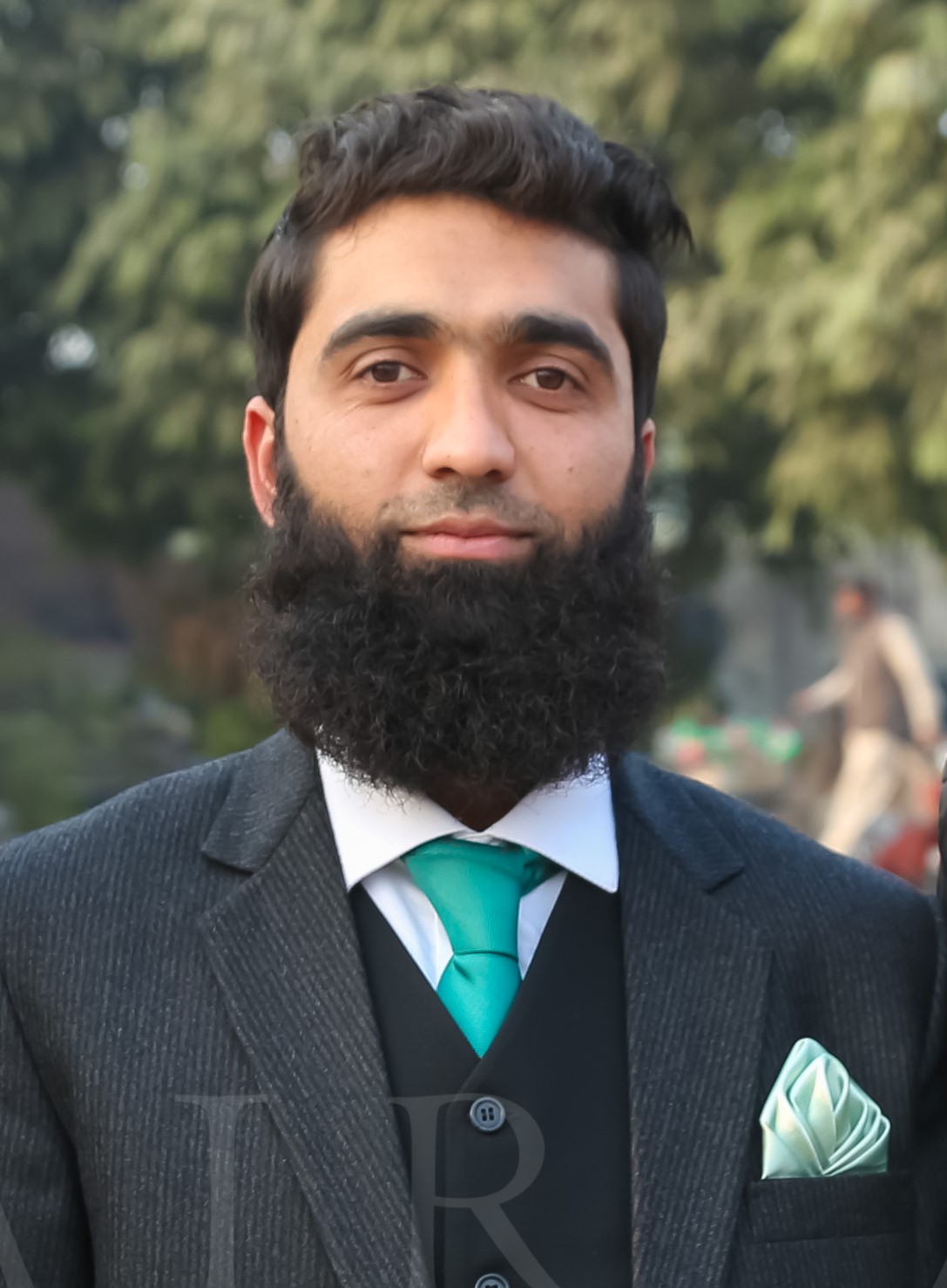
Ateeq Ur Rehman Butt is a Lecturer (Computer Science & Information Technology), BPS-18, at the University of Kamalia, Punjab, Pakistan. He holds a BS (Hons) in Information Technology (University of Education, Lahore) and an MS in Computer Science (National Textile University, Faisalabad), where he is also pursuing a PhD in Computer Science. He has authored one Computer Science book for Matric students and has published 17 research papers (including ACM/IEEE venues) along with two book chapters. He also serves as a reviewer for multiple journals, including IEEE Access, Scientific Reports, PeerJ Computer Science, and others. His research interests include AI, machine learning, image processing, IoT, software engineering, and big data analytics.
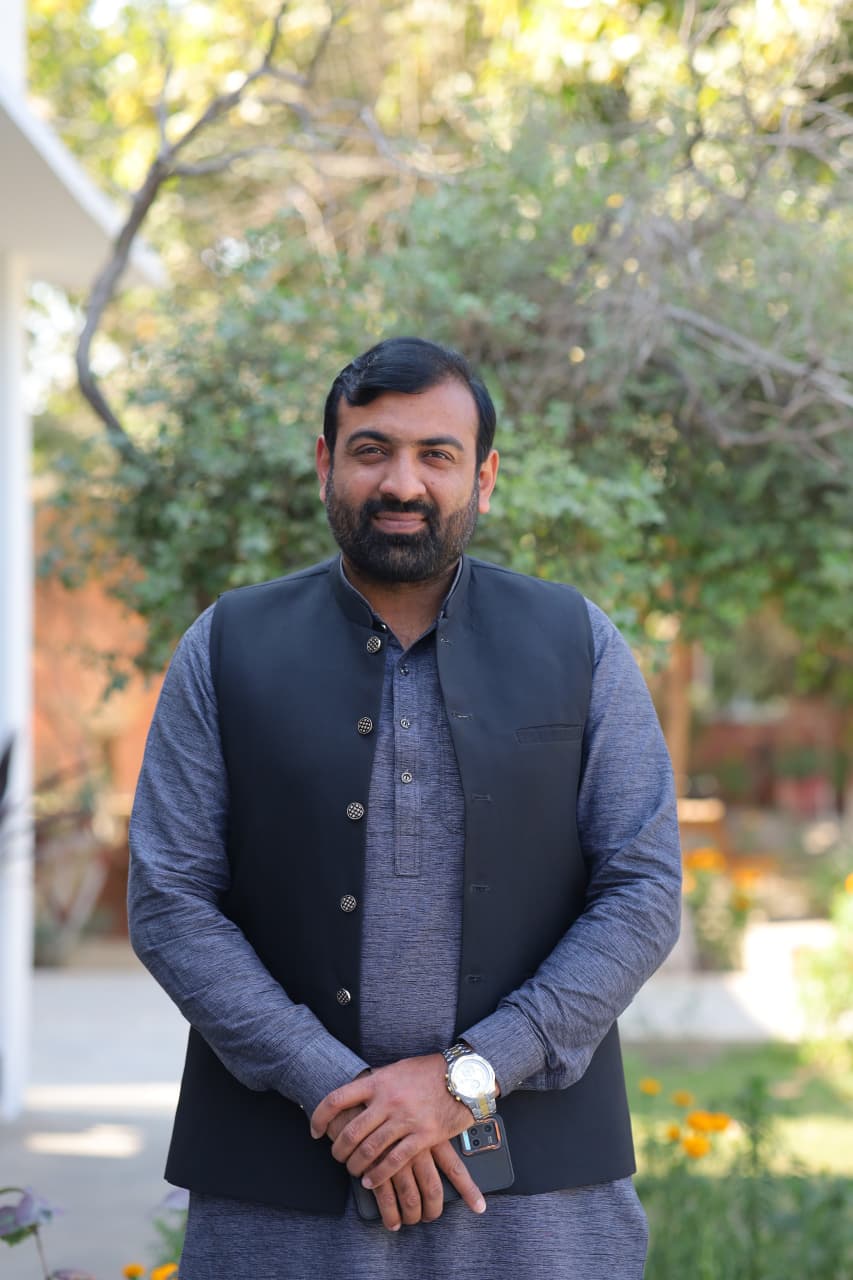
Mr. Mehboob Qasim is serving as a Lecturer in the Department of Computer Science and Information Technology at the University of Kamalia. He earned his Master of Science in Computer Science from Government College University Faisalabad, where he specialized in advanced research on Dual-Channel 3D Facial Expression Recognition Systems, reflecting his strong interest in artificial intelligence, computer vision, and emerging computing technologies.
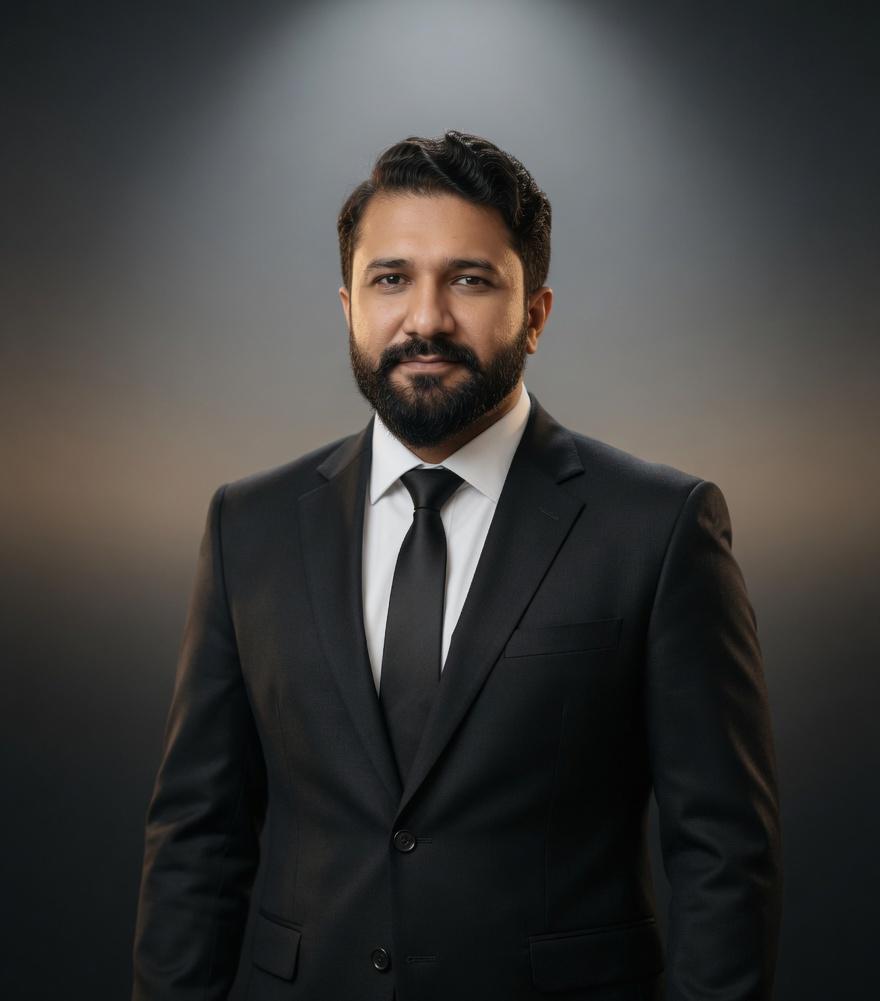
Ali Raza is a Lecturer in Computer Science and Information Technology at the University of Kamalia. He holds a Master of Science in Computer Science from Riphah International University, Faisalabad Campus. He is also a Gold Medalist of the Punjab Board of Technical Education, Lahore, in the Diploma of Associate Engineering (DAE) in Computer Information Technology 2011-2014.He has a strong academic background and a solid foundation in computing, with a focus on delivering quality education and enhancing students’ practical and theoretical understanding in the fields of Computer Science and Information Technology.
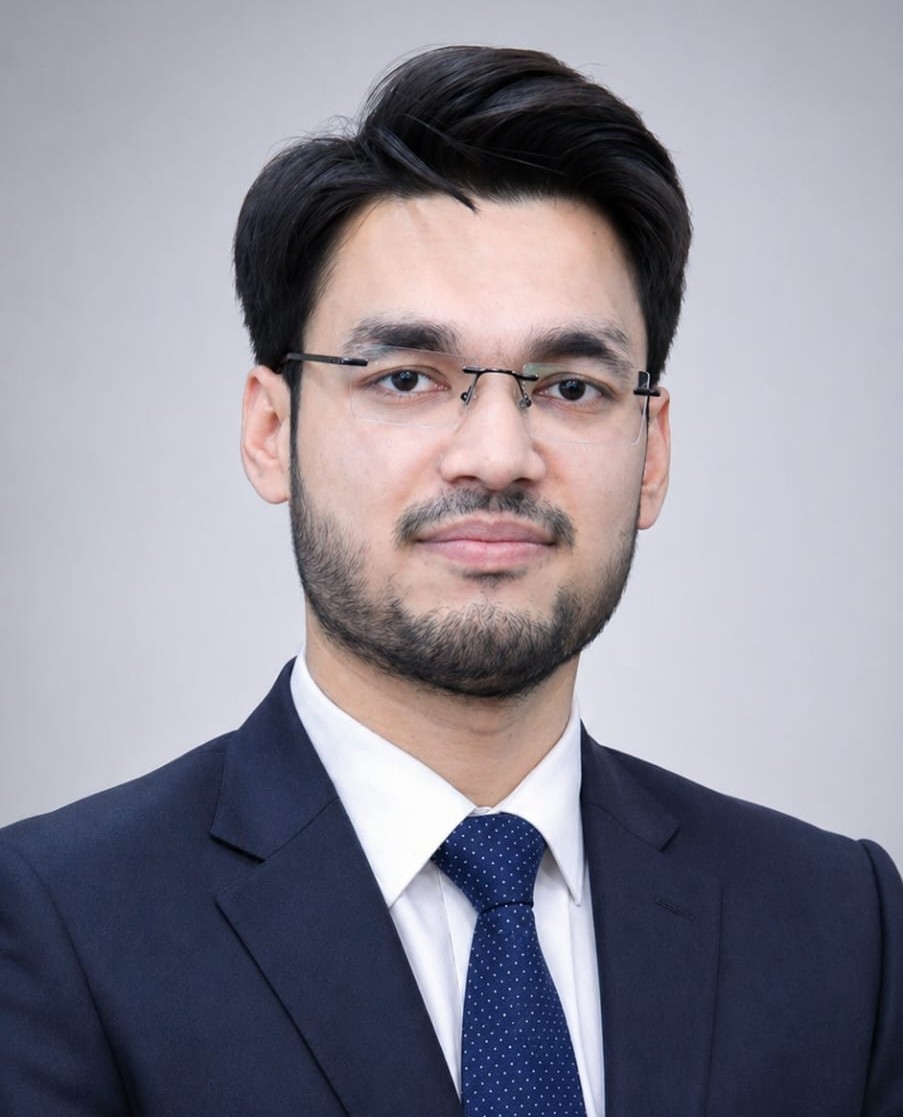
Muhammad Salim is a Lecturer in the Department of Computer Science & IT. He holds an MS in Computer Science from Government College University Faisalabad. His primary interest lies in programming and Artificial Intelligence, with a research focus on Machine Learning and Deep Learning. He is passionate about applying modern AI techniques to solve real-world problems and is committed to equipping students with practical skills and a strong analytical mindset for the evolving tech industry.
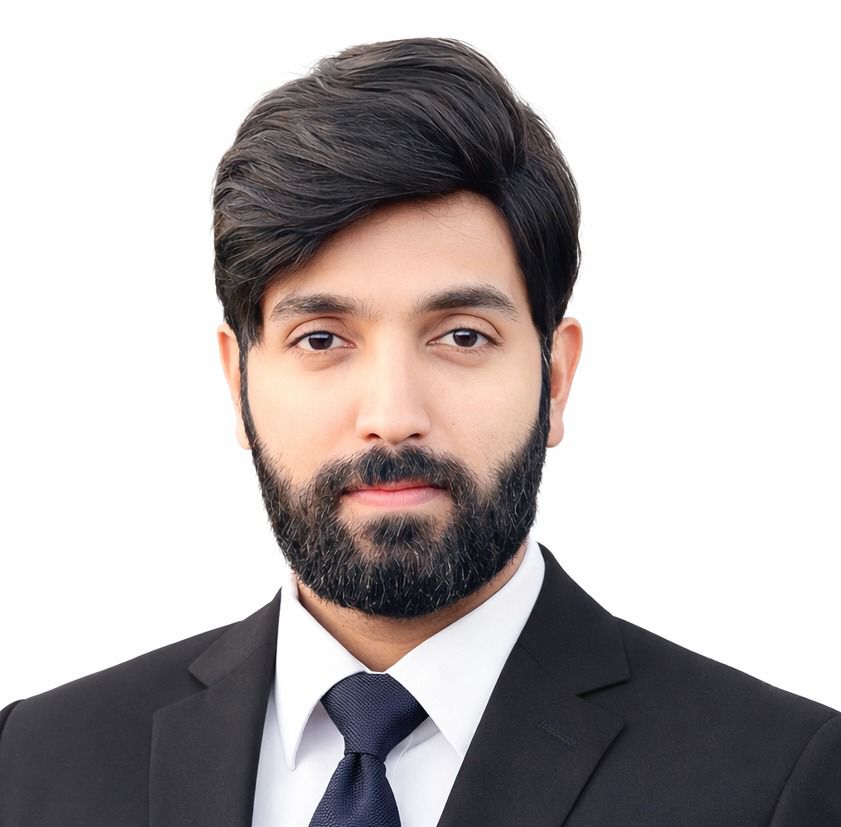
Muhammad Usman is a Lecturer in Computer Science & IT, holding an MSCS degree with a Silver Medal. He has over seven years of IT industry experience, bringing valuable practical knowledge into the classroom. He holds professional certifications including CCNA, CCNP, and HCNA. As a lecturer, he is committed to mentoring students of CS and IT, fostering a strong foundation in both theoretical and applied computing. His research interests include AI-based network automation, network optimisation and cybersecurity, reflecting his focus on integrating intelligent systems with modern networking practices.

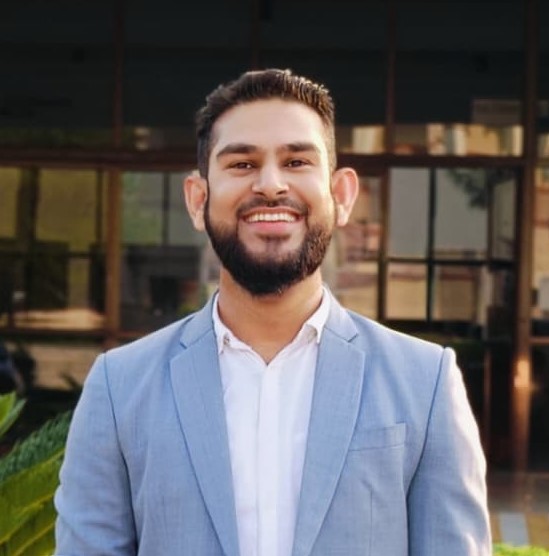
Engr. Muhammad Ahmad is a Lecturer in Computer Engineering with an MS in Computer Engineering from GIKI, specializing in FPGA design and hardware acceleration. He has extensive academic and industry experience in embedded systems, machine learning, and real-time image processing. His interests focus on hardware-software co-design and applying engineering research to practical, real-world solutions.
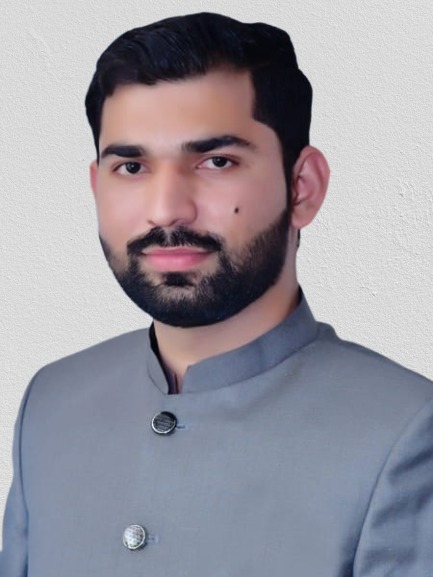
Mudassar Rehman is serving as a Lecturer in Computer Science & IT. He holds an MS in Computer Science with a specialization in Blockchain Technology from the University of Agriculture, Faisalabad. His primary teaching and research interests revolve around programming, app development, blockchain and emerging technologies.
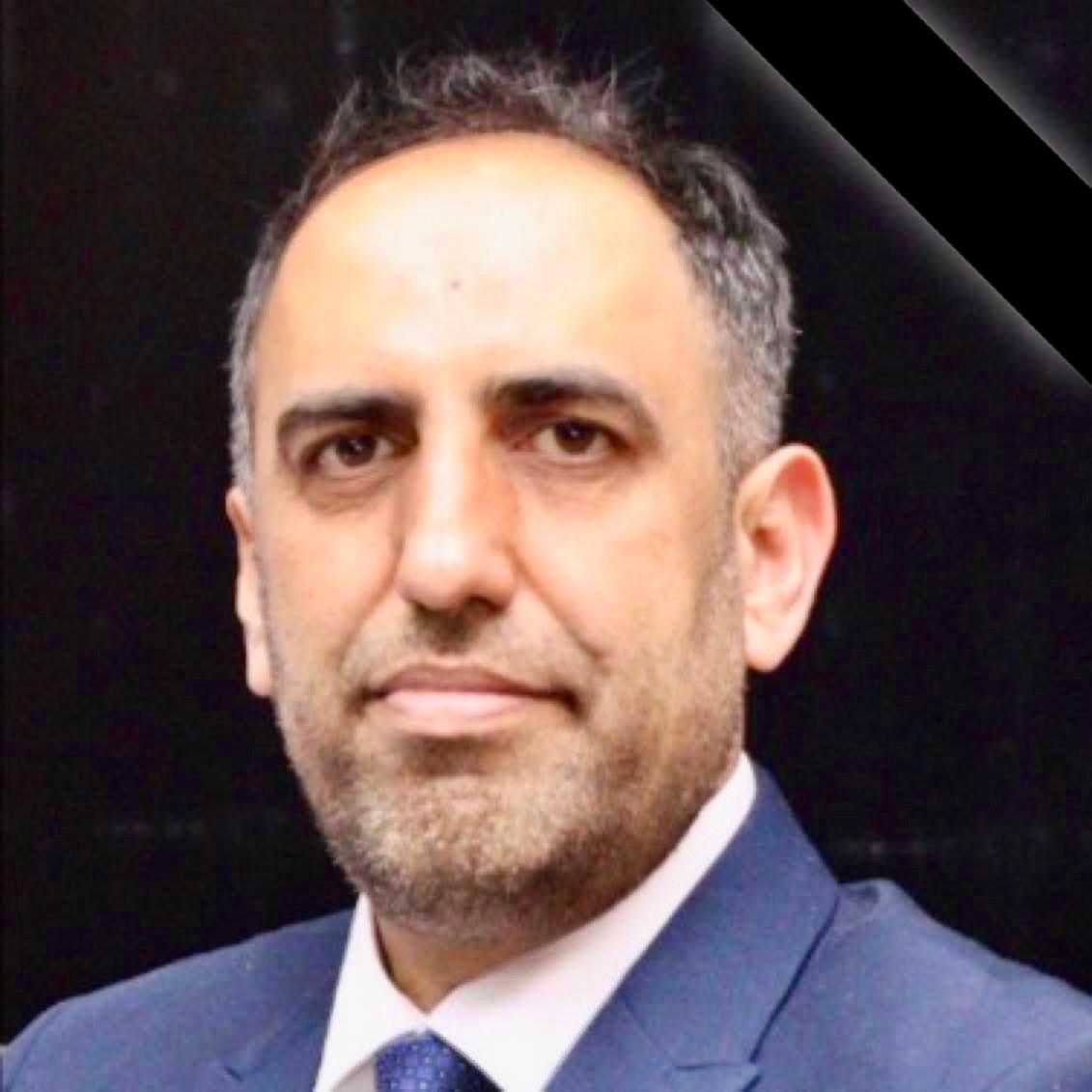
Dr. Nadeem Abbas, Professor with a PhD in Software Engineering from Linnaeus University, specializes in software development methodologies, system architecture, and emerging technologies. His academic and research contributions aim to bridge the gap between theory and practice in modern software engineering.
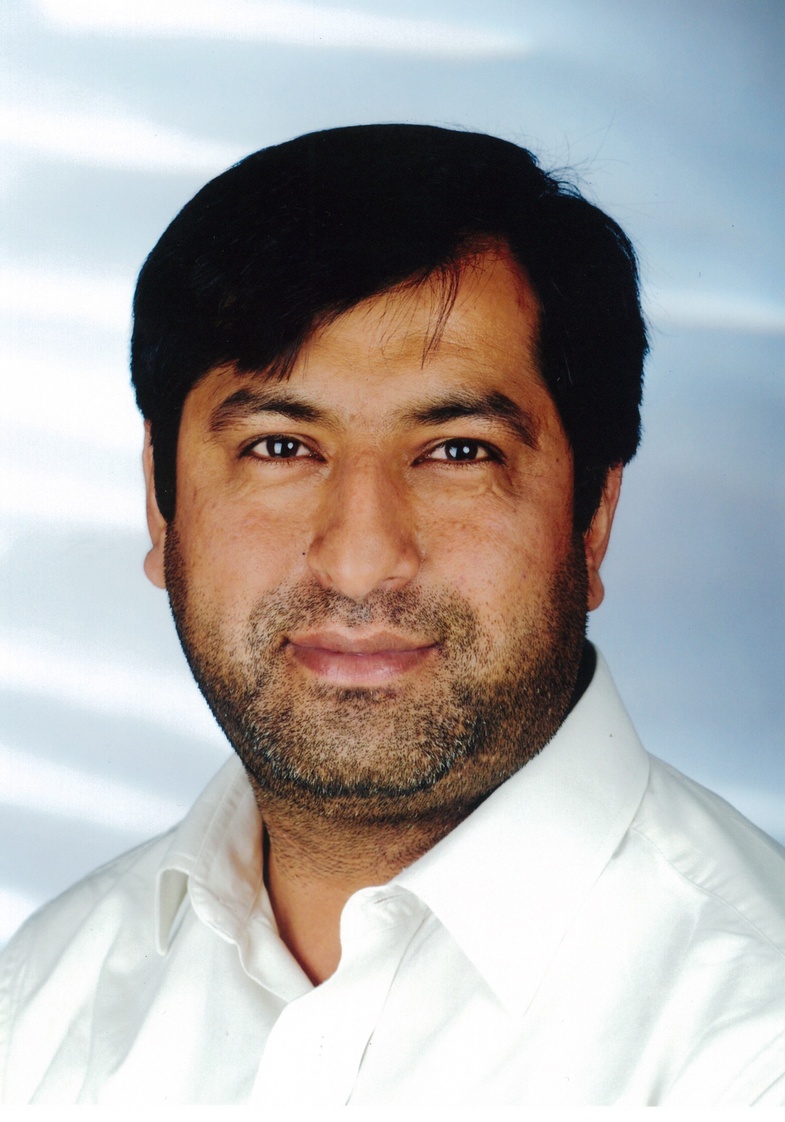
Dr. Muhammad Taimoor Khan, Professor at the University of Greenwich, is an expert in software, system, and AI security. With deep knowledge in cybersecurity and artificial intelligence, he empowers students to tackle complex challenges in securing modern digital systems.

Dr. Muhammad Asif Habib, Professor at Al Imam Mohammad Ibn Saud Islamic University, brings expertise in computer networks and blockchain technologies. His research and teaching focus on building secure, scalable, and efficient networked systems for the digital era.